
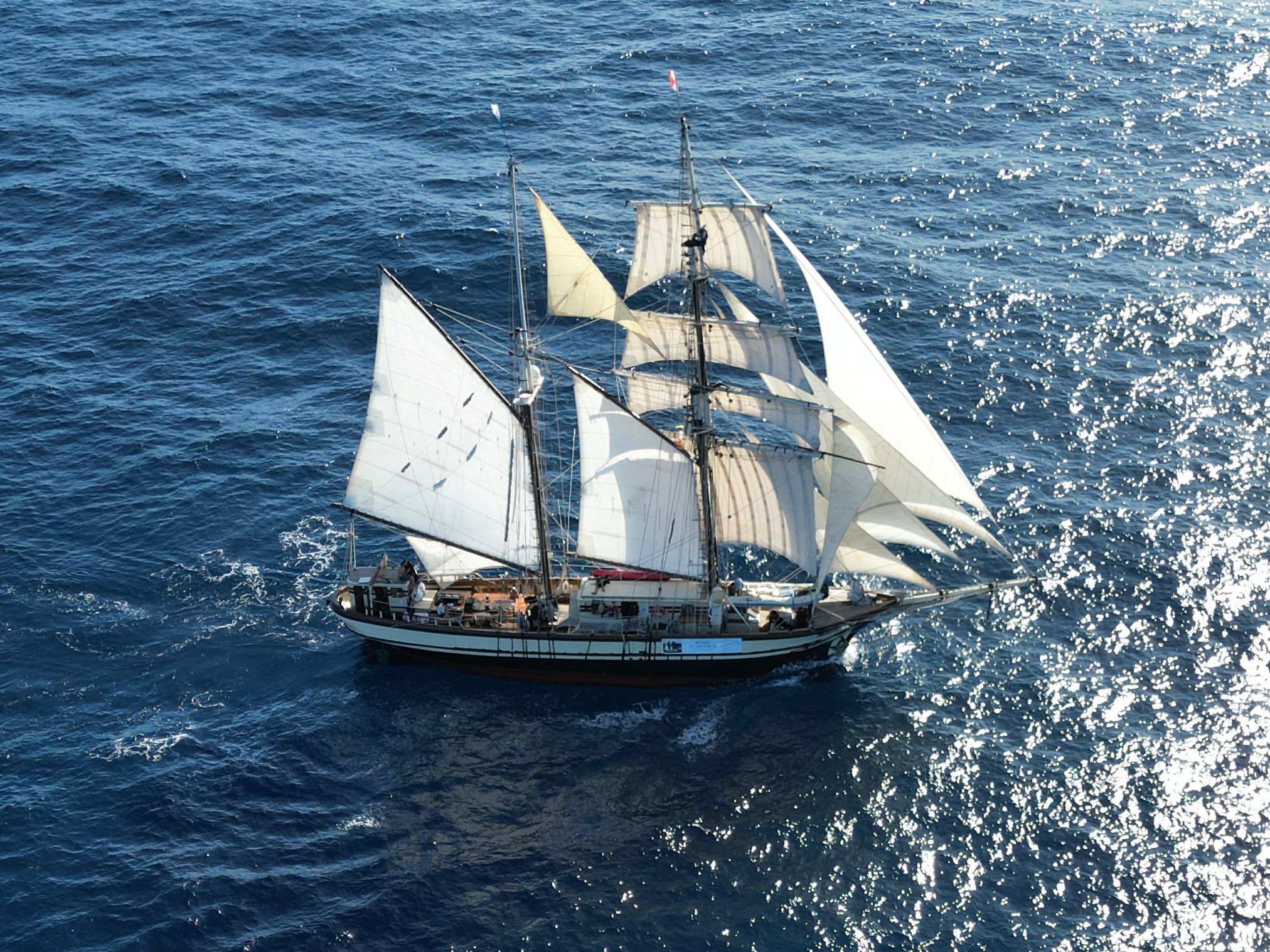
Historic Tall Ship Florette Sails into Escale à Sète for the First Time, Representing Malta
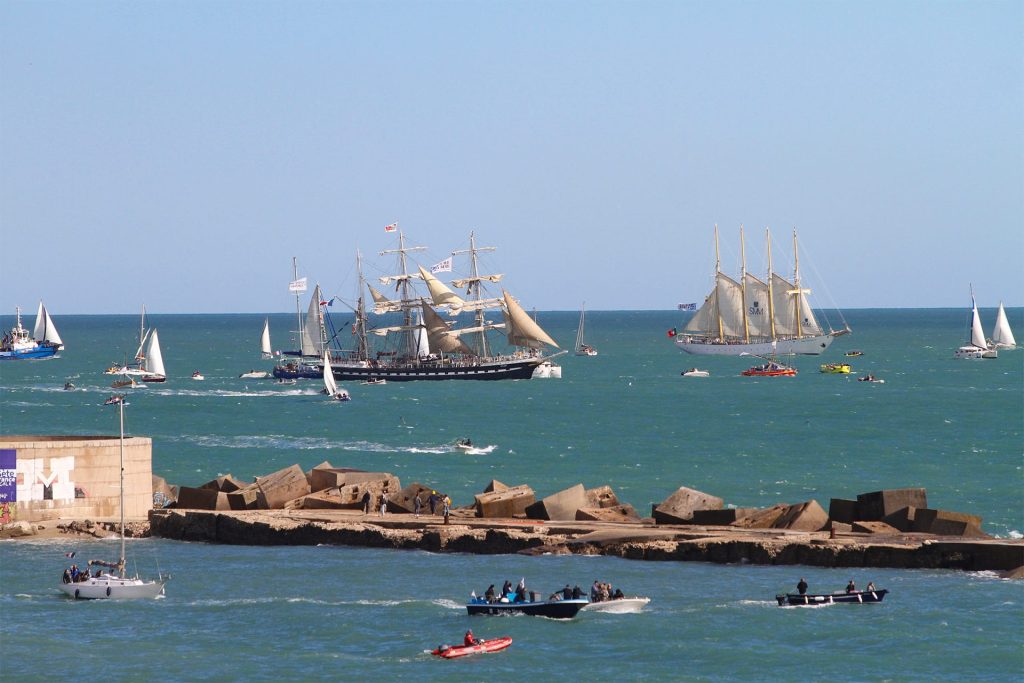
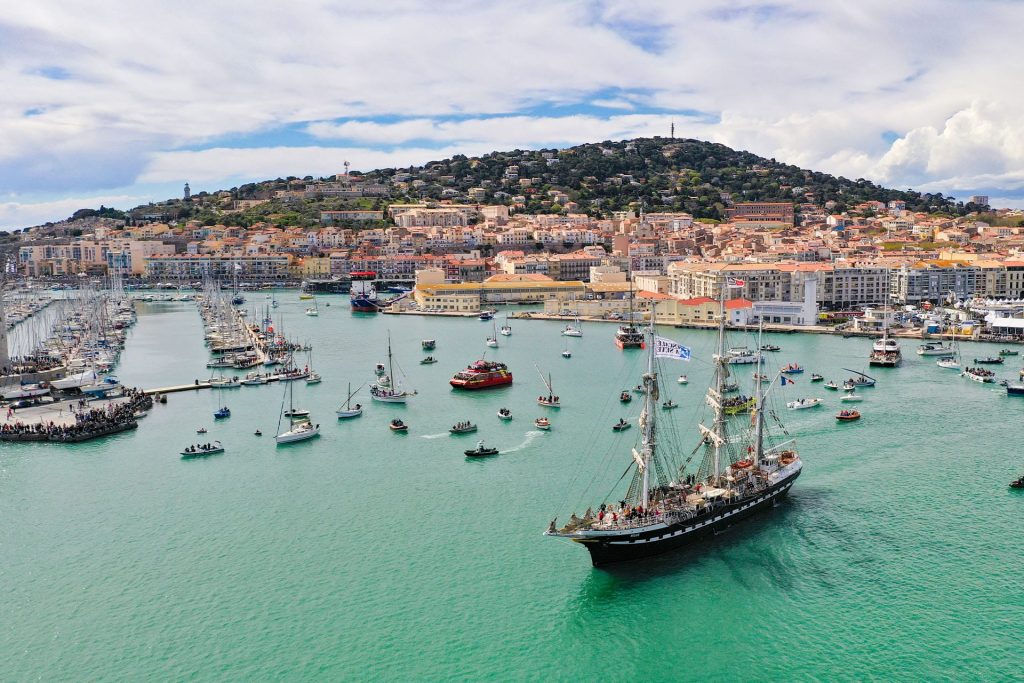
SÈTE, France — More than 120 historic ships have gathered in this southern French port for Escale à Sète, the Mediterranean’s largest maritime festival, marking the 400th anniversary of the French Navy. For the first time, a ship sailing under the Maltese flag has entered the fleet.
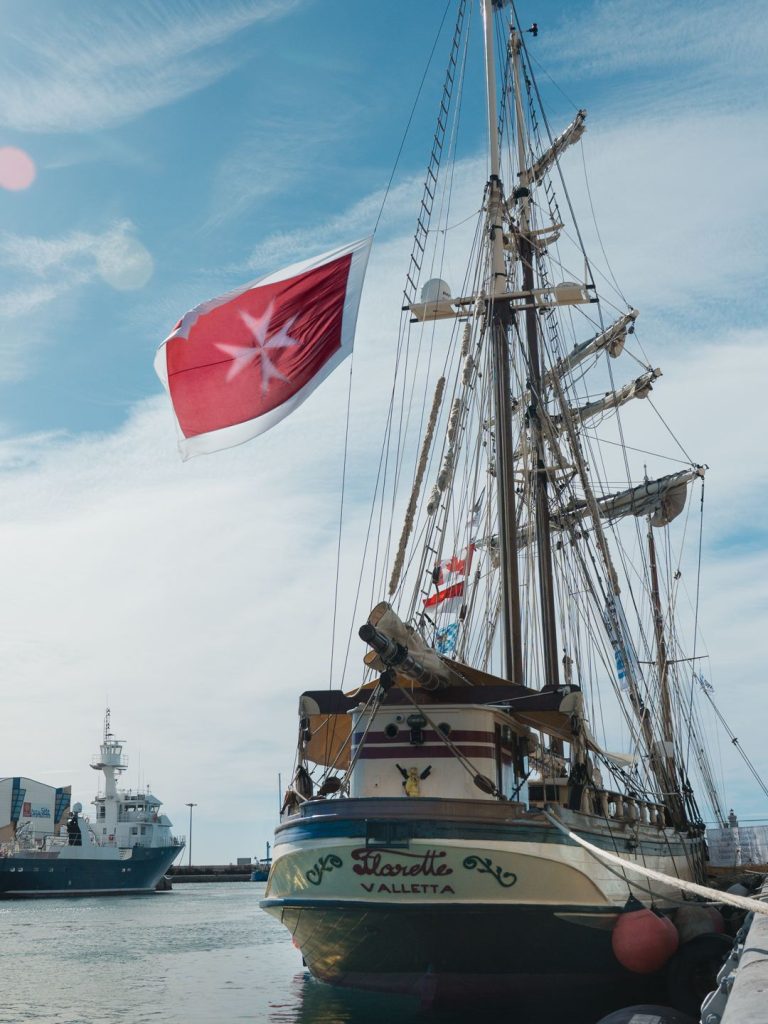
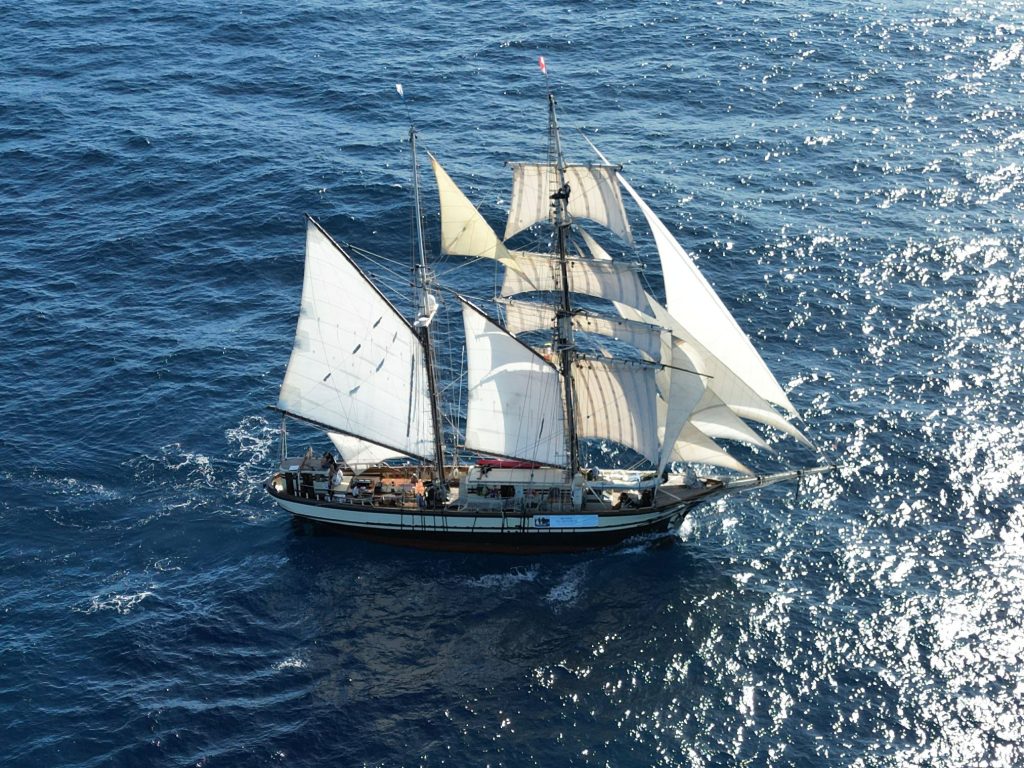
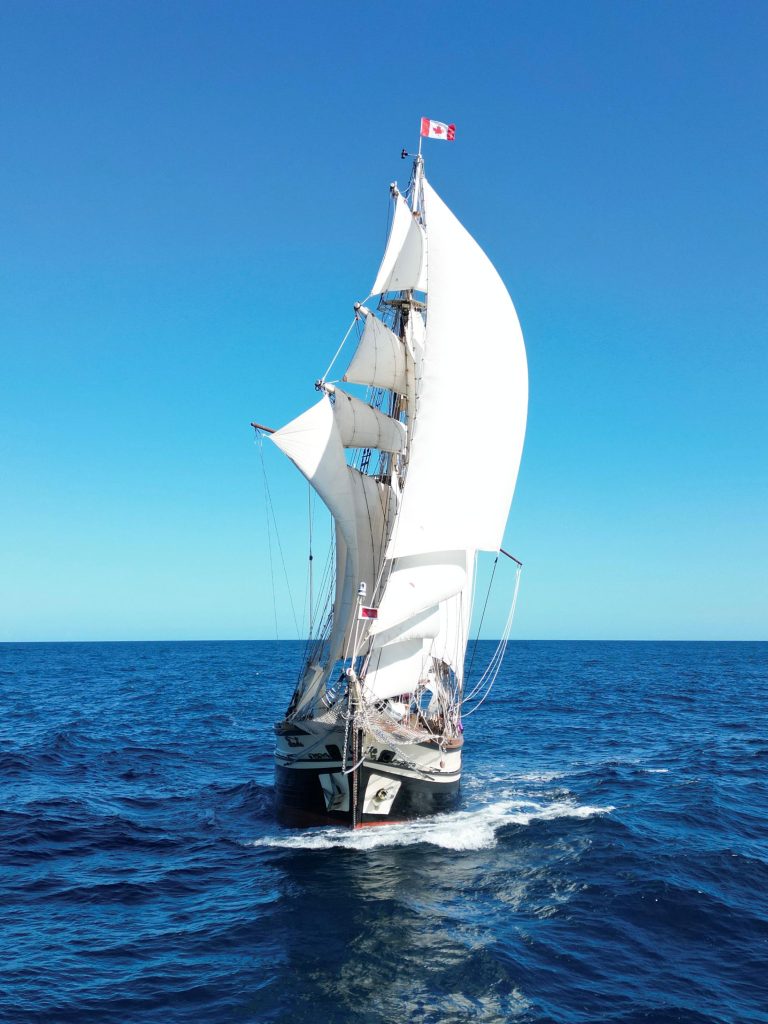
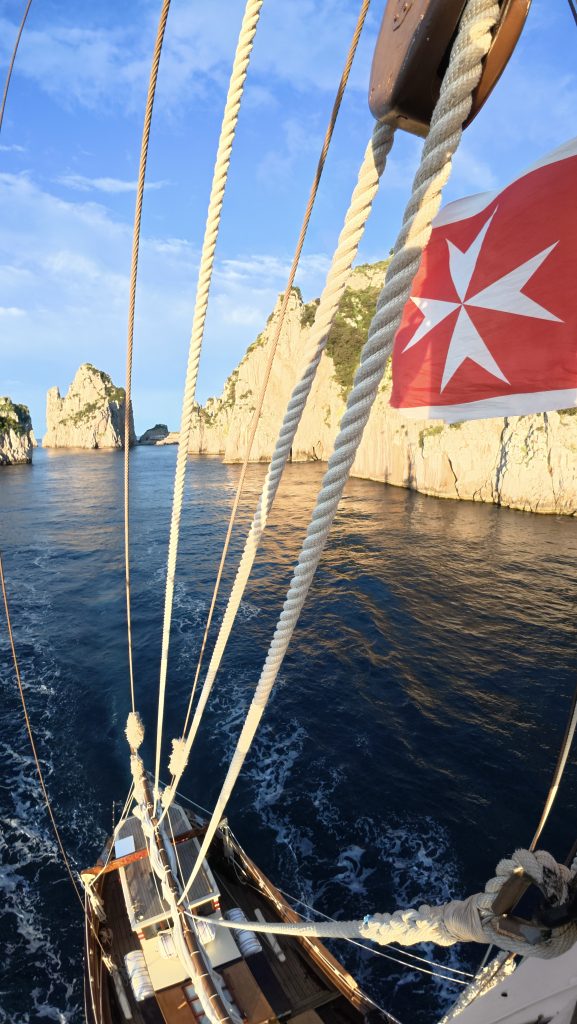
After a two-week crossing from Valletta, the brigantine Florette sailed into Sète, carrying not only Malta’s flag but a working version of its maritime heritage. Built in 1921, she is recognised as the oldest working ship registered in Malta.
Florette has been under the stewardship of the Haynes family for over 50 years, with Malta as her home for more than four decades. Originally registered under the Maltese flag in 1974, she returned to Malta in 2006 under a new commercial yacht code, retaining her original registration number (0064). Today, she operates from Gżira, with Valletta as her home port.
Recognised within UNESCO’s broader efforts to safeguard intangible cultural heritage, the practices carried on board Florette extend beyond the vessel itself. Skills are passed on through repetition, through responsibility, and through exposure to the sea as it is today.
“We are incredibly proud to represent the Maltese nation and fly our flag at such a significant international gathering,” said Captain Ron Haynes. “The Florette is more than just a ship; she is a living testament to centuries of seafaring tradition and our home. To bring her from Malta to France for this 400-year celebration is a tribute to our shared maritime heritage.”
Within the festival, many ships reflect maritime history. Florette carries it differently, through movement, training, and continued crossings.
Continuing the voyage
After Escale à Sète concludes on 6 April 2026, Florette will continue to Castellón, Spain, extending a route that few vessels of her era still undertake under sail.
There are no passengers on board. Only voyage crew. On this crossing alone, 14 nationalities sailed together, taking part in the handling of the ship, from deck work to watchkeeping.
About Florette
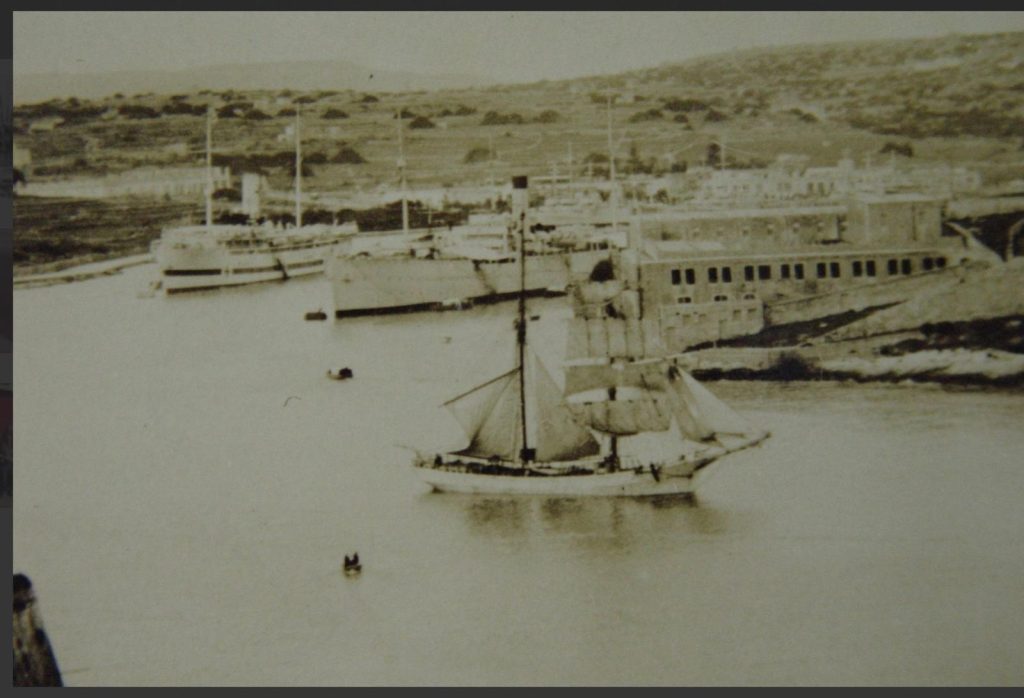
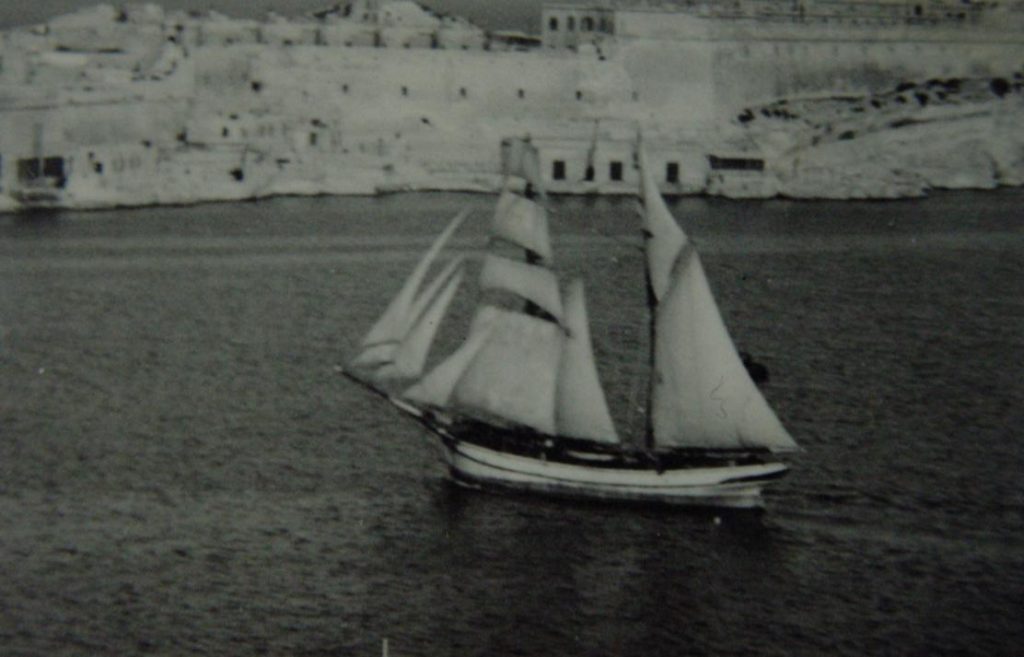
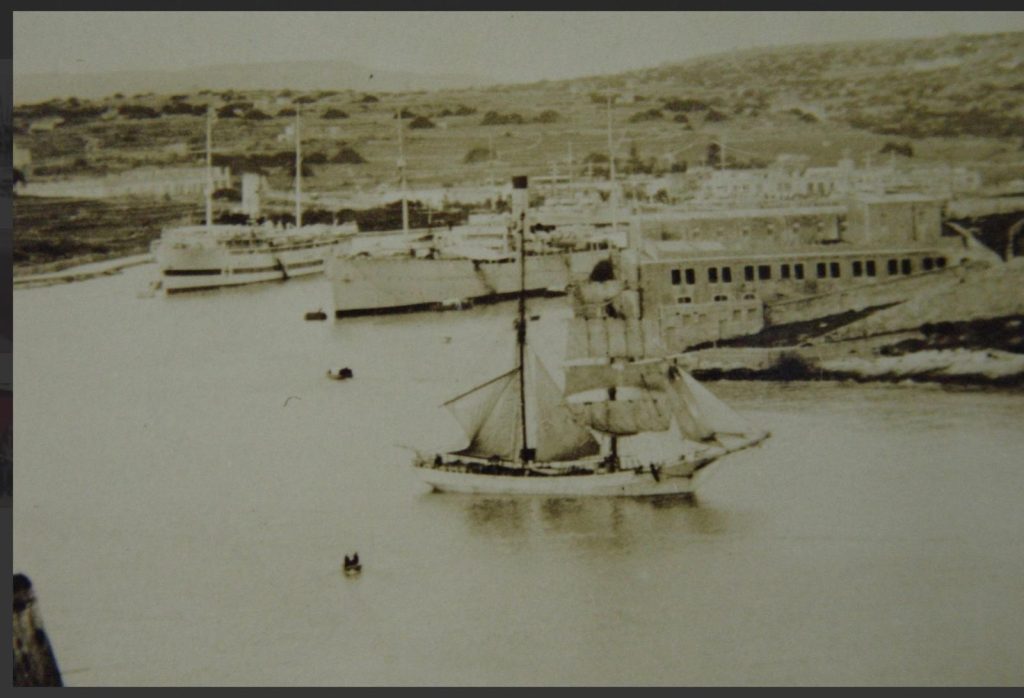
Built in 1921 at the Picchiotti shipyard in Viareggio, Florette comes from a lineage of Italian shipbuilding that dates back centuries, known for vessels designed to handle the sea with both strength and precision. She was originally constructed as a cargo ship, sailing without an engine for decades and transporting marble from Marina di Carrara to ports across the Mediterranean and beyond. Her early life carried her through periods of conflict and recovery. During the war, she was requisitioned for military use, first by Italian forces and later by the British. In the years that followed, she played a role in rebuilding trade routes, sailing goods between Italy and Malta as the region recovered. That history remains embedded in the ship, not as a static past but as a foundation for how she operates today. The same design that once carried cargo now carries people, not as passengers, but as active crew, continuing a cycle of use that has kept her sailing for over a century.
Leave a Comment